Discoverability


Being found used to mean ranking on page one of Google. That is still true. But now there's a second surface that matters just as much: the AI tools your buyers use to research vendors before they ever open a search results page. We build content that performs on both.
Service:
Short Form Videos
Trusted By

Buyers are asking AI before they ask you.
SEO is how your content ranks when buyers search Google. GEO, generative engine optimization, is how your content gets cited when buyers ask ChatGPT, Perplexity, or Google AI. Most teams are investing in one and ignoring the other. We build content that performs across both surfaces: keyword-anchored blogs and articles that rank, original expert content that AI tools cite, and a publishing cadence that compounds authority over time.
How We Build Content That Ranks in Search and Gets Cited by AI
We start with a keyword and topic map for your category. From there we build a content calendar that covers the questions your buyers are searching and the questions they're asking AI tools. The two surfaces need different content approaches, and we handle both.
Map the Questions
We identify what your buyers search on Google and what they ask AI tools. Those aren't always the same question.
Build the Content
Original expert content, written from real conversations, that both search engines and AI tools recognize as authoritative.
Publish and Compound
Consistent publishing at the right cadence is what separates teams that get cited from teams that get ignored.
Two Search Surfaces. Most Teams Only Cover One.
Teams investing in SEO are writing for Google. That is the right instinct, but it misses a growing share of how buyers actually start their research. ChatGPT, Perplexity, and Google AI Overview are now the first stop for many professional buyers, and the content that gets cited there isn't the same content that ranks for a keyword. Building for one surface and ignoring the other means you're invisible to a portion of your market before they ever find you.
Your Team Shows Up Before the First Conversation
The goal is simple: when a buyer asks Google or an AI tool about the problem your firm solves, your team's content is in the answer. That means they arrive at the first conversation already knowing you exist, already having read something that shaped how they think about the problem. The trust work is done before anyone reaches out.
SEO and GEO Need Different Content. We Build Both.
Search engine content is built around keywords, search intent, and topical authority. AI citation content is built around original expert voice, clear answers to specific questions, and publishing frequency. The overlap is real, but the differences matter. We design content that serves both surfaces without forcing a compromise that weakens either.
What Discoverability Looks Like After 90 Days
After a consistent quarter of SEO and GEO-aligned content, your team starts showing up in places they weren't before. Search rankings for category-relevant terms. AI citations when buyers ask about the problem you solve. Inbound inquiries that reference something a buyer read before they ever reached out. That is discoverability working.
What This Delivers
Teams that build for both SEO and GEO show up in more places with more authority. The buyers who find them arrive warmer, faster, and already further along in their thinking.
Search rankings for the questions your buyers are actually asking
AI citations when buyers use ChatGPT, Perplexity, or Google AI to research your category
Inbound inquiries from buyers who already trust you before they reach out
of AI search citations come from original content, not reposts or reshares
search surfaces your content needs to perform on: traditional search and generative AI
Meet Your Content Partner
Plumwheel builds content that earns search rankings and AI citations. We work with professional services firms who need to be found by the right buyers before the first call ever happens.
Founded by practitioners, not agencies
Hunter Lee Canning built Plumwheel after seeing too many great teams hide behind generic marketing.
We specialize in professional services firms where trust is everything.
Common Questions
Real questions from teams building for search and AI visibility.
What is the difference between SEO and GEO?
SEO, search engine optimization, is how your content ranks when someone types a query into Google. GEO, generative engine optimization, is how your content gets cited when someone asks an AI tool like ChatGPT, Perplexity, or Google AI a question. Both matter. The content strategies that serve them overlap but aren't identical.
Can we do both SEO and GEO with the same content?
Partially. Original expert content, published consistently, performs well on both surfaces. The keyword structure needed for Google rankings and the clear, authoritative voice needed for AI citations can often come from the same piece when it's built correctly. We design content to serve both without forcing a compromise.
How does LinkedIn fit into a discoverability strategy?
LinkedIn is the number one cited domain for professional queries in AI search. When buyers ask AI tools about vendors, categories, or problems in professional services, LinkedIn content comes up more than almost anything else. Consistent publishing on LinkedIn by credible voices is one of the highest-leverage discoverability plays available right now.
How long before we start showing up in AI search results?
AI citation isn't instant, but it's faster than traditional SEO. Teams that publish original expert content consistently at a frequency of two to three times per week typically start seeing AI citations within 60 to 90 days. The signal that compounds it's original voice and publishing frequency, not just keyword density.
Explore More
Related services for teams building discoverability through content.


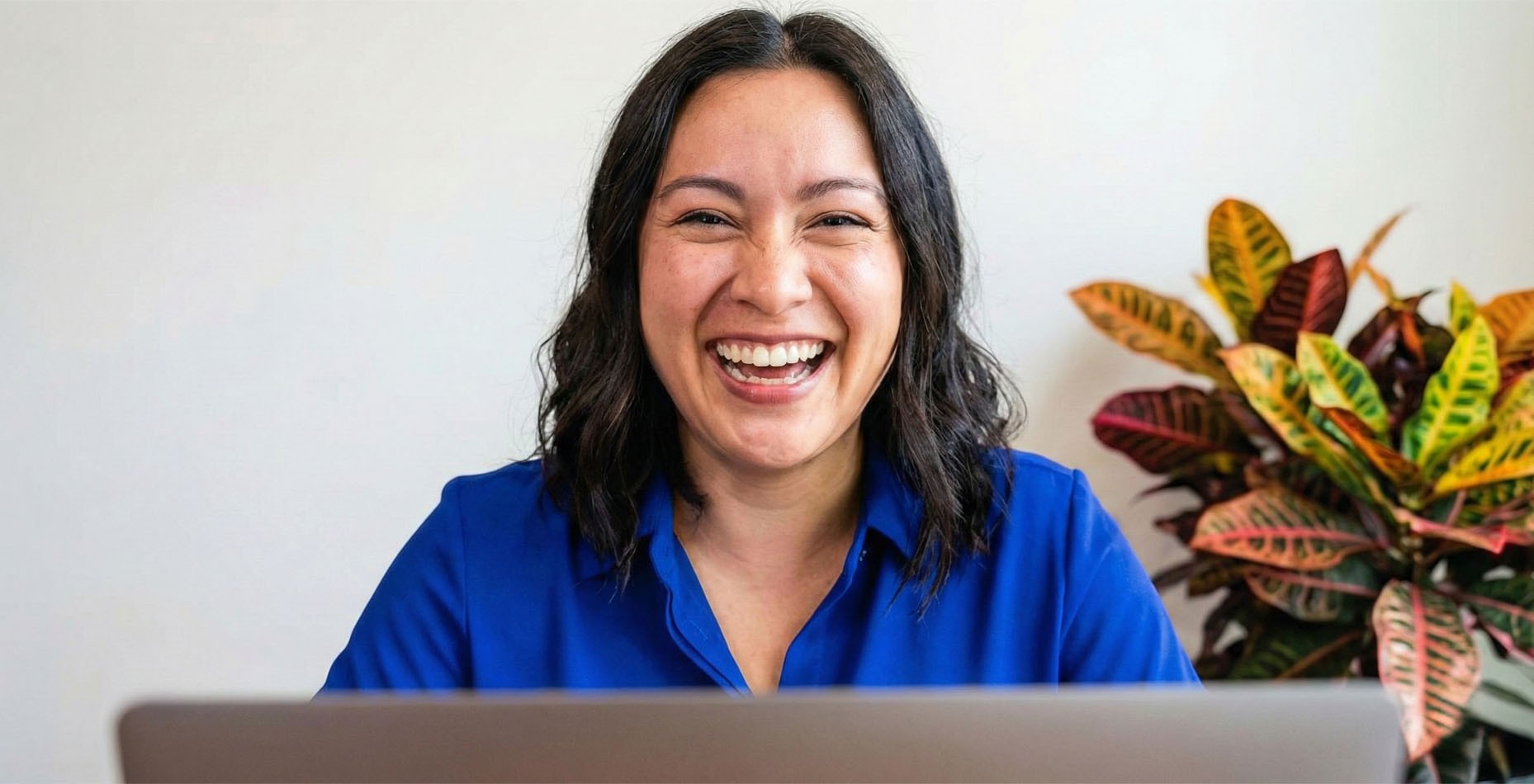
Team Plumwheel, at your service.
By pressing submit you agree to the Plumwheel's Terms of Service and Privacy Policy.